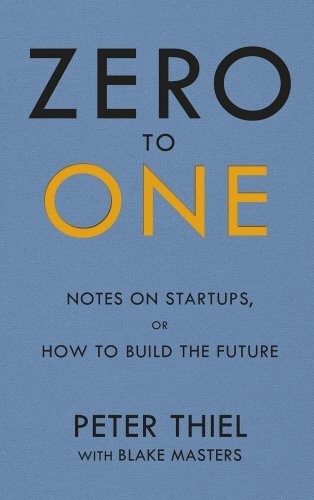
Three ways to play the same book. Climb the platformer and answer to refuel.
Loading the demo…
← → to move, Space to jump, ↓ + Space to drop through. Use the on-screen controls to run and jump. Orbs ask a question; a correct answer refuels the climb.
The mindmap
Every key idea of the book on one map, each one explained. Your answers in the games mark the ideas you have learned.
Every key idea of the book on one map, each one explained. Your answers in the games mark the ideas you have learned.
Some of the core ideas
What's inside
59 maps, 291 characters and 1002 questions, all generated from the book.
Forest of Zero to One
Introduces the core distinction between creating new value and copying existing models.
5 characters · 18 questions
Caverns of Technology and Globalization
Explores the two paths of progress: new technology vs spreading old ways.
5 characters · 17 questions
Ruins of the Dot-Com Bubble
Examines lessons from the 1999 tech bubble and its aftermath.
5 characters · 17 questions
Castle of Competitive Ideology
Challenges the belief that competition is always healthy for business.
5 characters · 17 questions
Desert of Perfect Competition
Analyzes why perfect competition destroys profits and differentiation.
5 characters · 17 questions
Volcano of Monopoly Profits
Reveals why monopolies, not competition, drive real innovation.
5 characters · 17 questions
Ice Fields of Creative Monopoly
Distinguishes creative monopolies from destructive ones.
5 characters · 17 questions
Forest of Happy Companies
Shows why successful companies are unique, not interchangeable.
5 characters · 17 questions
Castle of Monopoly Characteristics
Identifies the traits that define a true business monopoly.
5 characters · 17 questions
Ruins of Proprietary Technology
Explores technology as a foundation for monopoly advantage.
5 characters · 17 questions
Ocean of Network Effects
Explains how network effects increase value as more users join.
5 characters · 17 questions
Castle of Economies of Scale
Covers how scale strengthens a company's competitive position.
5 characters · 17 questions
Forest of Branding Strategy
Examines how branding builds lasting monopoly power.
5 characters · 17 questions
Desert of Market Share Illusions
Warns against exaggerating market size to appear differentiated.
5 characters · 17 questions
Cave of Starting Small and Monopolizing
Teaches why dominating a small market first is key to growth.
5 characters · 17 questions
Volcano of Scaling Up
Explores strategies for expanding from a niche to a larger market.
5 characters · 18 questions
Ruins of Disruption Myths
Critiques the overused and misunderstood concept of disruption.
5 characters · 17 questions
Castle of the Last Mover Advantage
Explains why being last in a market can beat being first.
5 characters · 17 questions
Ice Fields of Long-Term Planning
Shows why durable monopolies require years of forward design.
5 characters · 17 questions
Forest of Definite Optimism
Contrasts definite versus indefinite attitudes toward the future.
5 characters · 18 questions
Desert of Indefinite Pessimism
Explores stagnation caused by lacking belief in a planned future.
5 characters · 17 questions
Ruins of Definite Pessimism
Studies societies that expect decline and plan defensively.
5 characters · 18 questions
Ocean of Indefinite Optimism
Examines modern Western belief in progress without specific plans.
5 characters · 18 questions
Castle of Finance and Chance
Critiques the lottery mindset of random, undirected success.
5 characters · 18 questions
Volcano of Startup Mastery
Shows how startups allow definite control over the future.
5 characters · 17 questions
Forest of Compound Growth
Introduces the power of exponential returns over time.
5 characters · 17 questions
Cave of the Power Law
Explains how a few outliers dominate outcomes in any domain.
5 characters · 17 questions
Ruins of Venture Capital Math
Shows why top investors focus on a handful of winning bets.
5 characters · 17 questions
Desert of Diversification Myths
Challenges the idea that broad diversification ensures success.
5 characters · 18 questions
Castle of Portfolio Concentration
Explores why investors should focus on few, high-conviction bets.
5 characters · 17 questions
Ice Fields of Hidden Secrets
Introduces the idea that great companies are built on secrets.
5 characters · 17 questions
Forest of Contrarian Thinking
Explores questioning consensus to find overlooked opportunities.
5 characters · 18 questions
Cave of Undiscovered Truths
Explains why valuable secrets about nature and people still exist.
5 characters · 17 questions
Ruins of Conventional Wisdom
Critiques accepted beliefs that prevent discovering new secrets.
5 characters · 17 questions
Volcano of Secret-Driven Companies
Shows how great businesses are founded on unknown truths.
5 characters · 17 questions
Castle of Founding Teams
Covers the importance of strong, aligned founding partnerships.
5 characters · 17 questions
Desert of Founder Conflict
Explores how disputes among founders can destroy companies.
5 characters · 17 questions
Forest of Ownership, Possession, Control
Breaks down the three distinct forms of company authority.
5 characters · 17 questions
Ice Fields of Board Design
Explains how to build small, functional, aligned boards.
5 characters · 17 questions
Ruins of Misaligned Incentives
Examines how poor incentives can sabotage teamwork and culture.
5 characters · 17 questions
Cave of Full-Time Commitment
Explains why startups need committed, full-time team members.
5 characters · 17 questions
Castle of Cash vs Equity
Analyzes tradeoffs between salary and ownership for founders.
5 characters · 17 questions
Ocean of CEO Compensation
Explores how founder pay signals long-term company vision.
5 characters · 17 questions
Forest of Company Culture
Shows how shared values and mission build strong teams.
5 characters · 17 questions
Volcano of the Mafia Dynamic
Explores recruiting people who work well together long-term.
5 characters · 17 questions
Desert of Recruiting Challenges
Covers strategies to attract talent with compelling missions.
5 characters · 18 questions
Ruins of Cult-Like Extremes
Explores the balance between strong culture and cult behavior.
5 characters · 17 questions
Castle of Defined Roles
Explains why every team member needs one clear responsibility.
5 characters · 17 questions
Ice Fields of Sales Invisibility
Reveals how good distribution is hidden yet essential to success.
5 characters · 17 questions
Cave of Complex Sales
Explores high-value, relationship-driven enterprise sales strategy.
5 characters · 17 questions
Forest of Personal Sales
Covers mid-market sales requiring tailored customer outreach.
5 characters · 17 questions
Ocean of Distribution at Scale
Examines marketing and advertising for low-cost, mass-market products.
5 characters · 17 questions
Ruins of Viral Growth
Explores how products spread through built-in user referrals.
5 characters · 17 questions
Desert of the Sales Blind Spot
Warns against engineers underestimating the need for distribution.
5 characters · 17 questions
Castle of the Seven Questions
Introduces the essential questions every business must answer.
5 characters · 17 questions
Volcano of Engineering and Timing
Explores the questions of breakthrough technology and right timing.
5 characters · 17 questions
Forest of the Founder's Paradox
Examines the extreme, contradictory traits of visionary founders.
5 characters · 18 questions
Ice Fields of Doing Good Critique
Critiques conventional social entrepreneurship and vague altruism.
5 characters · 17 questions
Ruins of Stagnation or Singularity
Concludes with humanity's choice between decline and progress.
1 characters · 6 questions
How the book becomes practice
Reading puts ideas in. Retrieval keeps them there. The game is the retrieval.
Walk the world of the book
59 maps, one per part of the book. Signs along the way hold its key ideas, so the walk itself is a refresher.
Battle the characters
291 characters, each a short quiz on one idea. Answer well and the map opens up; a boss guards the end of each one.
Missed ideas come back
Every question you get wrong is re-asked in rematches and boss fights, and the Flashcards mode schedules it with spaced repetition, until you get it right.
Keep what you learn
Sign up for free and your demo progress, XP, best tower stage and flashcard schedules move to your account. Come back whenever a chapter starts to fade.